Featured Projects
Food, Water, and Communities
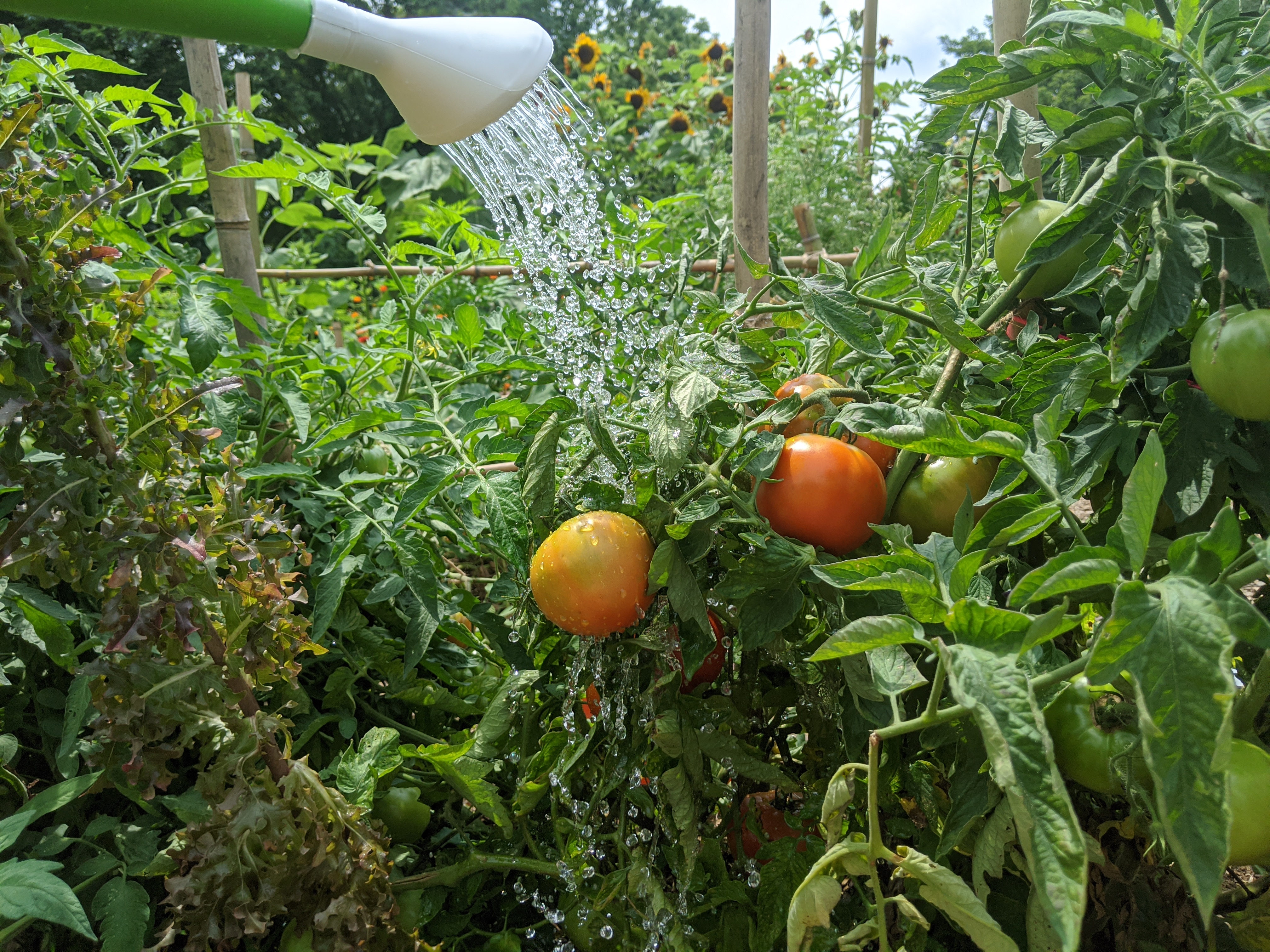
In 2019, my colleague and I noticed key challenges in science communication: science is often presented as a solution to communities' problems, which portrays them as victims, it's hard to grasp the global scope of climate impacts, and there is a lack of paid opportunities for budding student scicomm writers. We created this ArcGIS StoryMap platform to address all three.
As co-creator, writer, and lead editor of this platform sponsored by The Center for Communicating Science at Virginia Tech, I helped scientists share stories from around the globe about communities whose food and water resources have been impacted by climate change. By focusing on community empowerment rather than just science, we created a new, empathetic approach to science communication. The platform continues to publish to this day, led by graduate students for graduate students.
View StoryMap →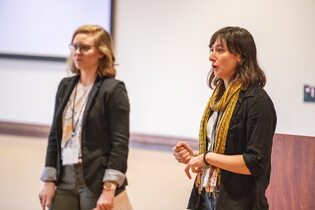
Science Communication Training
Regardless of where I work - public, private, engineering to natural resource departments - I've found science communication skills are a common struggle. It's hard to find a story amidst facts, hard to simplify complex topics. I always loved creative writing and found huge benefit in applying that discipline's teachings to science communication. I've demonstrated these tools through science communication talks like "What are we Drinking" when I was an invited speaker for New River Valley's "Science on Tap" series.
I love teaching researchers how to translate complex scientific findings into compelling stories that resonate with diverse audiences. I've developed and led workshops to train students to communicate with policymakers or the general public, present in Three Minute Thesis (3MT) competitions, design posters, and I've led long form workshops at CommSciCon. Contact me if you want to organise a science communication workshop.
Stakeholder Engagement & Facilitation
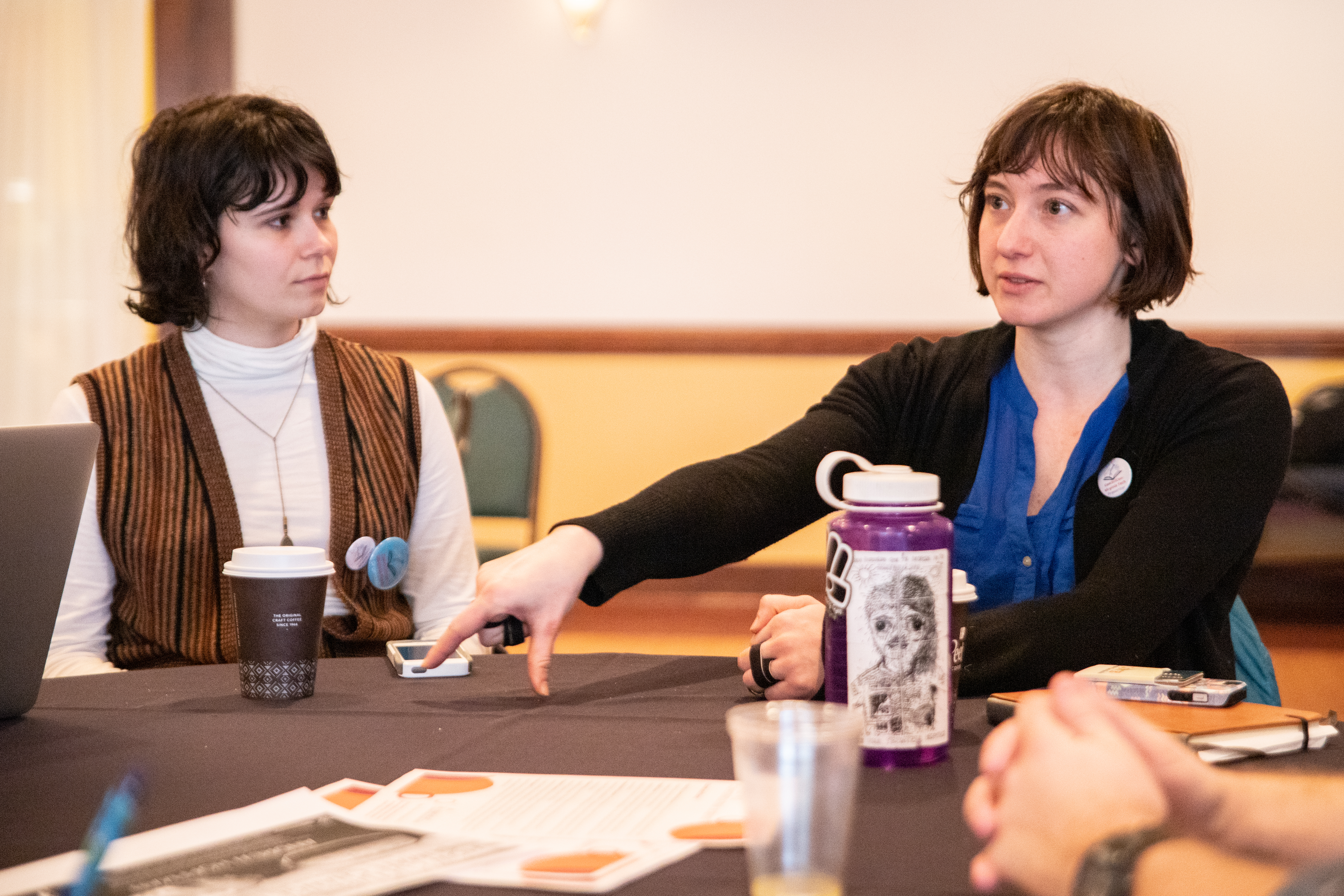
My research often involves working with communities, facilitating workshops and developing co-design exercises to integrate people into research and allow scientists to learn from them. This work goes beyond teaching—it's about creating spaces where stakeholders can share their expertise, values, and lived experiences that inform better research outcomes.
I have conducted workshop facilitation for my doctoral research and related projects with the Goulburn Broken Catchment Management Authority, ensuring to always present results back to communities so the projects can remain iterative in the future. These techniques help bridge the gap between scientific inquiry and community knowledge, ensuring research addresses real-world needs and reflects diverse perspectives.